
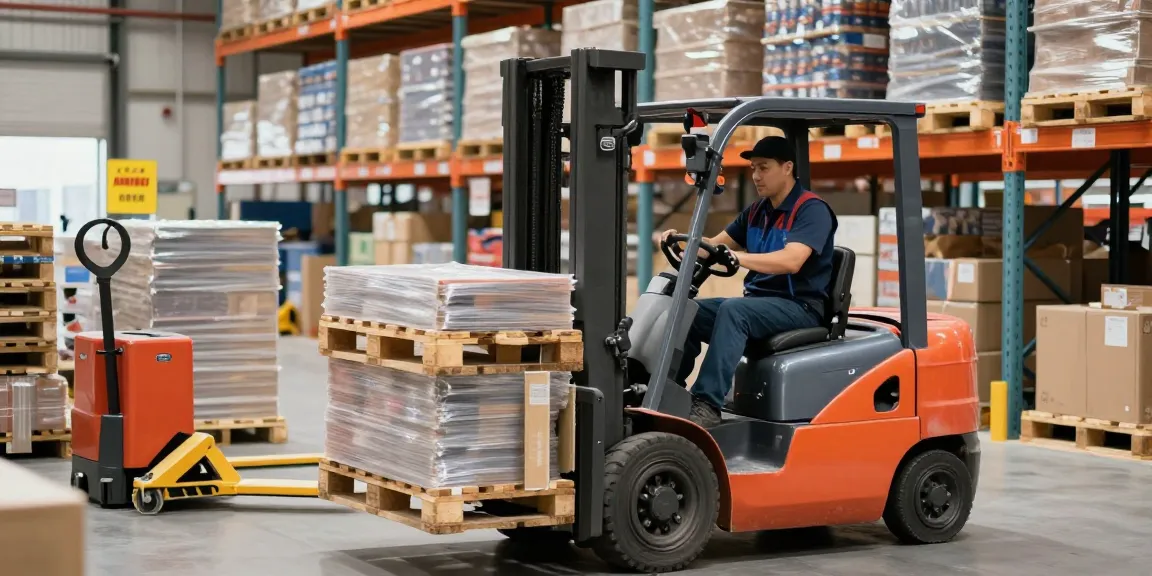
Understanding the Electric Forklift Revolution
In recent years, electric forklifts have transformed the landscape of material handling, providing a sustainable solution that addresses both efficiency and environmental concerns. These vehicles are not only revolutionizing how warehouses operate but also aligning with modern industry’s push for greener practices. The emergence of advanced technologies has made electric forklifts more reliable and versatile than ever. When exploring options, forklift manufacturers are leading the charge in this evolution, offering products tailored for demanding tasks across various sectors.
What is an Electric Forklift and How Does it Work?
An electric forklift is a powered industrial truck that is used primarily for lifting and transporting materials within a warehouse or storage yard. Unlike their gas or diesel counterparts, electric forklifts are powered by batteries that provide silent, efficient operation. The basic components of an electric forklift include the drive motors, hydraulic systems, and battery packs, which work together to enable smooth operation. When the operator uses the control system, it triggers the electric motor, which drives the wheels and operates the lift mechanism.
Advantages of Electric Forklifts Over Traditional Models
Electric forklifts offer numerous advantages over traditional gas or diesel models, including:
- Lower Operating Costs: With fewer moving parts, electric forklifts require less maintenance, resulting in significant cost savings.
- Environmental Benefits: Zero-emission operation contributes to a cleaner work environment, crucial for businesses focused on sustainability.
- Improved Safety: The quiet operation reduces noise pollution, which is beneficial in environments where concentration is key.
- Enhanced Maneuverability: Electric forklifts often have a tighter turning radius, making them ideal for narrow aisles.
Environmental Impact and Zero-Emission Benefits
As industries worldwide strive for eco-friendly practices, electric forklifts stand out due to their zero-emission performance. They play a crucial role in reducing greenhouse gas emissions, which is vital in combating climate change. Additionally, the use of electric forklifts can qualify businesses for various green certifications and incentives, enhancing their market appeal and competitiveness.
Choosing the Right Forklift for Your Warehouse Needs
Selecting the appropriate forklift for your operations is pivotal for maximizing productivity. Various factors, including load capacity, lifting height, and battery life must be considered to ensure optimal performance. Electric forklifts come with diverse specifications tailored to various operational needs.
Key Factors to Consider When Selecting a Forklift
When evaluating which electric forklift to purchase, consider the following:
- Load Capacity: Determine the maximum weight your forklift needs to lift. This helps in finding a model that can handle your heaviest loads without strain.
- Battery Type: Different models use various battery types, affecting the runtime and charging time.
- Work Environment: Ensure that the forklift is suitable for indoor use, outdoor use, or both, based on your operational requirements.
- Forklift Size: Assess the dimensions of the forklift in relation to your storage space, ensuring it can navigate your facility efficiently.
Comparing Electric Forklifts: Load Capacities and Features
Electric forklifts range in load capacities from small models that can handle less than 2,000 pounds to heavy-duty options capable of lifting over 20,000 pounds. Features such as adjustable forks, modular designs, and advanced safety settings should also be factored into your decision.
The Importance of Forklift Size and Maneuverability
Choosing the right size forklift is imperative for maximizing space and productivity. A forklift that is too large may struggle to navigate narrow aisles, while one that is too small may not handle the necessary load. Understanding the layout of your warehouse and the dimensions of your aisles will help you select a model that fits seamlessly into your operations.
Best Practices for Forklift Operation and Safety
Ensuring safe operation of forklifts is critical to avoid accidents that can lead to injuries or damage. Adhering to best practices is necessary to cultivate a safe working environment.
Essential Safety Protocols for Forklift Operators
Operators must be trained and certified to operate forklifts safely. Essential protocols include:
- Conducting Pre-Operation Inspections: Operators should check for any defects or damages before use.
- Following Load Limits: Adhering to weight limits ensures the vehicle operates within safe parameters.
- Maintaining Visibility: Operators should ensure clear sight lines and utilize spotters when necessary.
- Proper Fork Positioning: Keeping the forks low during travel can enhance stability and safety.
Common Mistakes to Avoid When Using Forklifts
Common pitfalls that can lead to accidents include:
- Overloading the forklift beyond its capacity.
- Neglecting proper maintenance checks.
- Failing to communicate with other operators or workers in the area.
Training Requirements for Forklift Operators
Regular training is essential to ensure that operators remain competent and aware of safety practices. This includes practical demonstrations and evaluations on the operation of the specific forklift model they will be using.
Maintenance Tips for Forklifts: Ensuring Longevity
Routine maintenance is crucial to prolonging the lifespan of your electric forklift. Implementing a structured maintenance program can preemptively address issues before they escalate into costly repairs.
Routine Maintenance Checks for Electric Forklifts
Regular maintenance checks should include:
- Battery Health: Regularly check the battery’s charge level and connections to ensure optimal performance.
- Tire Condition: Inspect tires for wear and tear, replacing them as necessary to maintain efficiency.
- Fluid Levels: Monitor levels of hydraulic fluid and lubricants, replenishing as needed.
Signs That Your Forklift Needs Repair
Be vigilant for signs indicating that your forklift may require repairs, such as:
- Unusual noises or vibrations during operation.
- Poor lifting performance or slow response times.
- Frequent error messages on the control panel.
Choosing the Right Parts and Services for Repairs
When contemplating maintenance or repairs, consider using OEM parts to ensure compatibility and reliability. Engaging a certified technician for repairs can also mitigate further issues arising from improper servicing.
Future Trends in Forklift Technology and Operations
The landscape of forklift technology is evolving rapidly, with innovations set to shape the industry over the coming years. Businesses must stay informed about these changes to remain competitive.
Emerging Technologies in Forklift Design and Functionality
Innovations like IoT connectivity for fleet management and advanced sensor technology for enhanced safety are poised to revolutionize forklift operations. Additionally, incorporating machine learning can help optimize lift performance and safety by analyzing operator patterns and material weights.
The Impact of Automation on Forklift Operations
Automation is transforming material handling, with self-operating forklifts increasingly being trialed in warehouses. This technology not only enhances efficiency but also reduces the risk of human error.
Predictions for Forklift Innovations in 2026 and Beyond
As we look toward 2026, expect to see innovations that include enhanced battery technologies offering longer runtimes, improved charging solutions that reduce downtime, and advanced AI systems that streamline operations. These advancements will ensure that electric forklifts remain at the forefront of warehouse technology.
What are the benefits of using electric forklifts?
Electric forklifts provide numerous advantages such as reduced emissions, lower operational costs, and enhanced safety and maneuverability, making them ideal for modern warehouses.
How can I improve safety while operating a forklift?
Improving safety can be achieved by adhering to operational protocols, ensuring regular training for operators, and conducting routine safety checks on the equipment.
What is the average lifespan of a forklift?
The lifespan of a forklift can vary significantly based on usage, maintenance, and operating conditions, but generally ranges from 7 to 12 years.
How do I choose between an electric and a gas forklift?
Consider factors like operating environment, cost of ownership, and specific lifting needs when deciding between electric and gas forklifts. Electric forklifts are particularly advantageous in enclosed spaces due to their zero emissions.
What should I consider for forklift maintenance?
Key considerations for forklift maintenance include establishing a routine maintenance schedule, ensuring the use of quality parts, and monitoring for any signs of wear or malfunction.